Air sealing services
Pair wall insulation with professional air sealing to close the gaps that let hot Eagle Pass air into your living spaces.
Learn More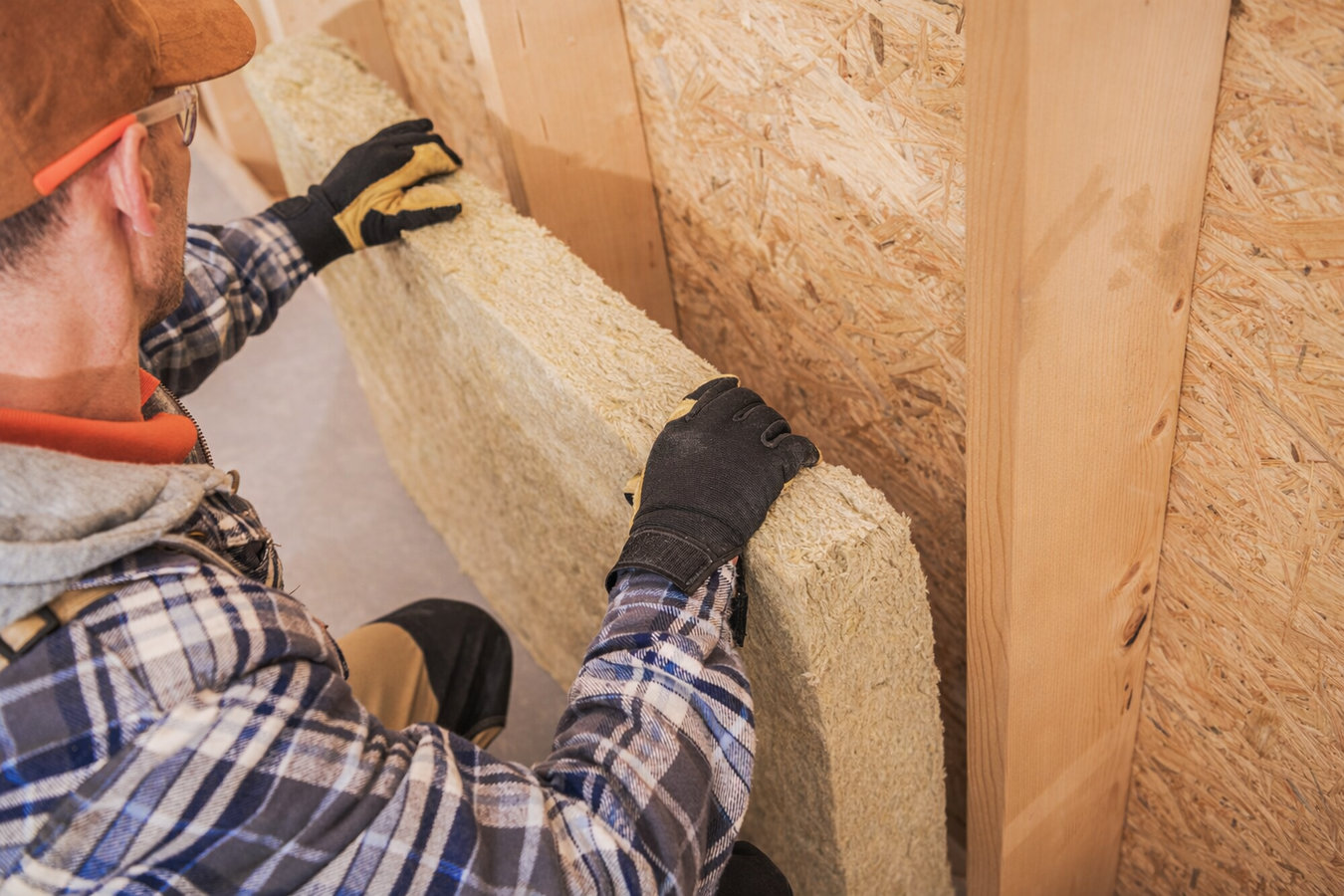
Your walls are the barrier between Eagle Pass summer heat and the cool air you are paying for. If that barrier is thin or missing, your AC runs nonstop and your bills keep climbing. Wall insulation fixes the root cause - not just the symptom.
Wall insulation in Eagle Pass slows the movement of heat through your exterior walls, reducing how hard your air conditioner has to work to keep your home cool. Most jobs cover the full exterior wall perimeter of a single-family home in one to two days, using blown-in or batt material depending on whether your walls are finished or open.
Eagle Pass sits in one of the hottest corners of Texas. Summer temperatures climb above 100 degrees and stay there for months. If your walls have thin or no insulation - which is common in homes built here before the 1990s - your air conditioner is fighting against a leaky barrier all season long. The result shows up on your electric bill every summer. Wall insulation in Eagle Pass addresses the problem at the source.
For homes where dust and outdoor air are also finding their way inside, our air sealing services work alongside wall insulation to close the gaps that no amount of insulation alone can stop. The two services together deliver a more complete and lasting result.
If your cooling costs feel out of control from May through September, your walls may be letting in far more heat than they should. Eagle Pass summers are long and intense, and a home with poor wall insulation forces your air conditioner to run almost constantly to hold a livable temperature. If your bills are high and your home still feels warm, the walls are worth a look.
Walk through your home on a hot afternoon and notice which rooms feel stuffy or hard to cool. Rooms on the south or west side of the house - which take the brunt of the afternoon sun in Eagle Pass - are often the worst offenders when wall insulation is thin or missing. If one room always fights the thermostat, that is a clear sign.
On a hot summer day, hold your hand near an exterior wall or an electrical outlet on an outside-facing wall. If you feel warmth radiating through, heat is conducting directly through an under-insulated wall. This is especially common in older Eagle Pass homes where the original wall cavities were never filled.
Homes built in Eagle Pass before modern energy codes were enforced often have little to no insulation in exterior walls. If you have lived in your home for years and never had insulation added or inspected, there is a good chance you are missing out on significant comfort and savings. The age of the home is enough of a reason to have it checked.
For most finished Eagle Pass homes, blown-in insulation is the right approach. The contractor drills small holes in your wall, feeds a hose into each cavity, and pumps material in until the space is full. The holes are then patched and nearly invisible after painting. This method works well in older homes with irregular framing, and it covers the entire cavity rather than leaving gaps around pipes and electrical boxes. Our blown-in insulation service uses cellulose or fiberglass depending on what your walls and budget call for.
For walls that are open during a renovation or new construction project, batt insulation is a straightforward and cost-effective option. Pre-cut blanket-like pieces fit between wall studs and deliver consistent thermal performance when installed without compression or gaps. If you are also dealing with air leakage alongside the insulation work, we can combine wall insulation with our air sealing services for a more complete result. The U.S. Department of Energy recommends addressing both together for the best energy savings in hot climates like Eagle Pass - read more at energy.gov.
Best for Eagle Pass homes where walls are already drywalled - installed through small holes with no major demolition required.
Best for new construction or renovation projects where wall studs are exposed and batts can be placed directly between framing.
Eagle Pass sits in the Chihuahuan Desert region and regularly sees summer temperatures above 100 degrees, with heat that begins in April and does not let up until October. That means your walls are fighting off intense heat for the better part of eight months every year. A significant portion of the city's housing stock was built before modern insulation standards were common in Texas, which means many homes have hollow wall cavities with nothing between the drywall and the exterior siding to slow heat transfer. The dry, dusty conditions here also mean that gaps in wall insulation are entry points for fine dust and outdoor air - a tighter, better-insulated home is also a cleaner one. Homeowners in Del Rio and the surrounding area face the same conditions and the same pressure on their cooling systems.
Texas follows the International Energy Conservation Code, which sets minimum insulation requirements for walls in new construction and major renovations. Eagle Pass falls in a climate zone that requires specific performance levels for exterior walls - good news for homeowners doing permitted work, because it means the job is inspected and verified. Communities to the west like Brackettville see the same extreme heat, and the same wall insulation approach applies across the region. The U.S. Environmental Protection Agency notes that properly insulated and sealed walls also reduce dust and outdoor air infiltration - a meaningful benefit in the dry, windy conditions common to this part of Texas.
We respond within 1 business day. When you reach out, we ask about your home's age, whether your walls are finished or open, and what has been prompting your concern - so we arrive prepared with the right equipment.
A contractor walks through your home, looks at your exterior walls, and checks for problem areas. Some visits include a thermal imaging scan that shows exactly where heat is getting through - no guesswork, no drilling required at this stage.
After the assessment you receive a written estimate that breaks down the scope of work, the type of insulation, and the total cost. Every line item is explained in plain language before any work is agreed to.
The crew drills small holes, fills each wall cavity with insulation, and patches the holes with material that blends into your existing wall. Most jobs are done in one to two days, and patched areas are ready to paint before the crew leaves.
Free estimate, no obligation. We respond within 1 business day and can usually schedule within the week.
(830) 971-8829You receive a detailed written estimate after we assess your walls in person. The final cost matches that estimate unless you request additional work - so you know exactly what the project costs before it begins.
We are not a contractor based in San Antonio making occasional trips. We live and work in Maverick County and know the specific housing stock - from older stucco homes near downtown to newer subdivisions on the north side of town.
When drilling into finished walls, our crew patches every hole with material that blends with the surrounding surface. We do not leave your home looking like a construction site - the work is nearly invisible before you even repaint.
Our on-site assessments are always free. You receive a written estimate and decide from there. There is no pressure to book, and no fee if you decide the timing is not right.
When you hire a local contractor who knows Eagle Pass homes - the older stucco construction, the heat, the dusty conditions - the work gets done right the first time. We back every project with a written estimate and a final walkthrough so you always know exactly what was done and why.
Pair wall insulation with professional air sealing to close the gaps that let hot Eagle Pass air into your living spaces.
Learn MoreBlown-in loose fill is the most common material for adding insulation to finished walls without tearing out drywall.
Learn MoreSummer heat waits for no one. Call today or submit a request online and we will get back to you within 1 business day.