Spray foam insulation
For attics and crawl spaces where a single material needs to both air-seal and insulate in one application.
Learn More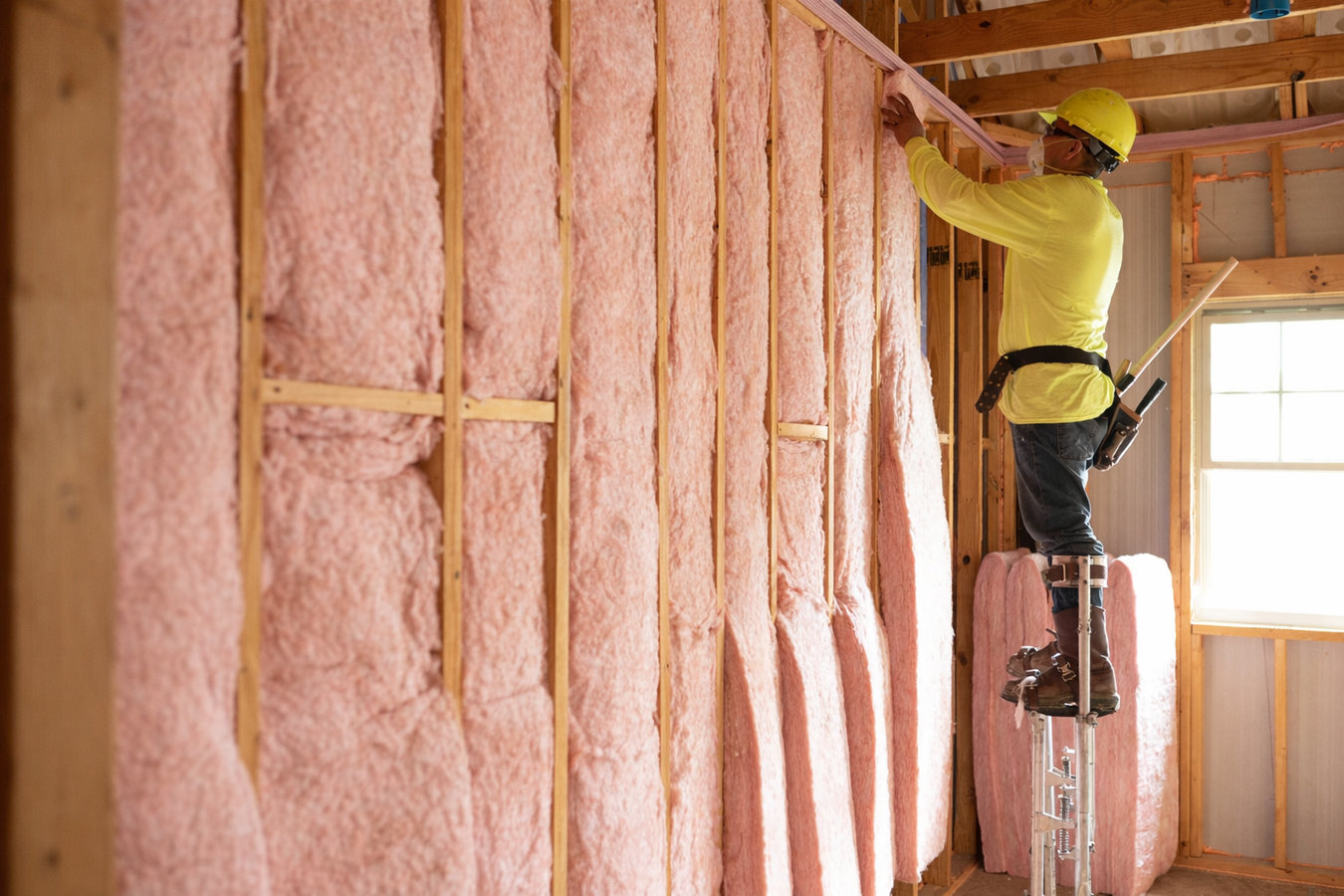
Retrofit insulation adds real thermal protection to your existing home - no torn-out walls, no major disruption. If your Eagle Pass home was built before 1990 and no one has ever upgraded the insulation, you are losing cool air every hour of every summer.
Retrofit insulation in Eagle Pass means adding insulation to a home that is already built - without tearing out walls or doing a major renovation. Contractors blow, spray, or roll new insulating material into your attic, walls, or crawl space to fill gaps that are letting your conditioned air escape. Most attic jobs finish in one day and require no changes to your living space at all.
Eagle Pass sits in the Chihuahuan Desert borderlands and regularly sees summer temperatures above 100 degrees. Your air conditioner is fighting heat for seven to nine months a year, and a poorly insulated attic acts like a heat lamp pointed directly at your living space. A significant portion of Eagle Pass homes were built in the 1960s through 1980s, when insulation standards were far lower than they are today. If your home is more than 30 years old and has never had this work done, there is a good chance you are losing a meaningful amount of conditioned air every day.
The most effective retrofit projects seal air gaps before adding insulation material - so we always recommend starting with spray foam insulation or air sealing on any penetrations before new blown-in insulation goes on top. Doing both in the same visit maximizes the benefit and ensures the new material performs at its rated value from day one.
If your AEP Texas bill has been rising year after year - especially during summer months - inadequate insulation is one of the most common culprits. When your attic is poorly insulated, your air conditioner runs almost constantly to keep up with heat pouring in from above. If your bill feels out of proportion to your home size, it is worth having someone look at your attic.
If one or two rooms in your home are noticeably hotter than the rest - especially rooms directly under the roof - that is a strong sign heat is getting through where it should not. In Eagle Pass summers, a room that stays noticeably warmer than the rest of the house is not just uncomfortable. It is a sign your insulation is not doing its job.
Homes built in Eagle Pass before 1990 were typically constructed under much older building standards that allowed for very thin or no attic insulation. If no one has ever mentioned insulation work in your home, there is a reasonable chance you are working with whatever the builder put in decades ago - which is almost certainly not enough by today's standards.
Hold your hand near an outlet on an exterior wall on a hot afternoon. If you feel warm air coming through, outside air is moving freely through your wall cavities. In Eagle Pass, where outdoor air in summer can feel like standing in front of an oven, that infiltration adds real heat load to your home every hour of the day.
Blown-in insulation - loose-fill fiberglass or cellulose blown into place with a hose - is the most practical choice for most Eagle Pass attics. It fills irregular shapes without demolition, covers any thin existing material, and can be brought up to the R-38 to R-60 range that the Department of Energy recommends for this climate zone. For most jobs we air- seal all visible penetrations before the blown-in material goes in, so you get the full benefit of both steps in a single visit.
For wall cavities, exterior rim joists, and areas where blown-in material cannot easily fill every gap, we use home insulation strategies that include spray foam and dense-pack injection depending on the situation. We assess your specific home and recommend the right material combination for each area rather than applying one approach everywhere.
Best for most Eagle Pass homes - loose-fill fiberglass or cellulose blown to the correct depth fills gaps and covers existing material without demolition.
Best for older homes with little or no wall insulation - dense-pack material injected through small holes that are patched when the job is done.
Best for crawl spaces, rim joists, and areas with irregular shapes where blown-in material cannot easily fill every gap.
Eagle Pass regularly sees sustained heat above 100 degrees from May through September - one of the longest cooling seasons in Texas. Your air conditioner is working against extreme conditions for months, and any improvement in how your home holds cool air has a compounding effect across the whole season. Older homes here were built when insulation standards allowed for very little protection, meaning the gap between what these homes have and what they need is larger than in most Texas cities. Homeowners in Crystal City and the surrounding region deal with the same long-season heat and similarly aged housing stock.
Eagle Pass also sits along the Rio Grande, and summer humidity levels - especially during the July through September monsoon pattern - can push moisture into an attic with inadequate insulation. A quality retrofit job accounts for moisture management alongside heat resistance, and a contractor working in this area should understand both. The best time to schedule is late winter to early spring - February through April - before the heat arrives and before contractors' schedules fill up. Homeowners in Uvalde and other communities we serve in the region face the same scheduling crunch in late spring, so planning ahead always pays off.
We respond within 1 business day. When you reach out, we ask your address, the age of your home, and what problems you have noticed - this helps us show up already knowing roughly what to look for.
A contractor visits your home, checks how much insulation is already in your attic, looks for air leaks around pipes and fixtures, and assesses any moisture issues that need to be addressed first. You receive a written estimate before any work is agreed to.
Your written quote breaks down what work will be done, what materials will be used, and the total cost. This is the right moment to ask about the federal tax credit for qualifying insulation materials and any AEP Texas rebates that may apply to your project.
The crew air-seals gaps and penetrations first, then blows insulation in to the correct depth. Most attic jobs finish within a few hours. Before the crew leaves, you get a walkthrough and any documentation you need for the federal tax credit or a utility rebate.
Free on-site assessment, written estimate, no obligation. We respond within 1 business day.
(830) 971-8829You receive a detailed written estimate after we assess your attic in person. The final cost matches that estimate unless you request additional work - so there is no guessing about the price before you decide.
We are not a crew from San Antonio driving out for a job. We live and work in Maverick County and know the housing stock, heat patterns, and building conditions specific to this area.
We seal gaps and penetrations before adding new insulation - always. Skipping that step is the most common shortcut that leads to disappointing results. Ask any contractor you interview whether air sealing is included. We say yes without hesitation.
You receive photos of your attic before and after, a written summary of what was installed, and any documentation needed for the federal tax credit. You know exactly what you got - and have proof to show a home inspector or buyer if you ever sell.
Retrofit insulation is one of the most cost-effective upgrades you can make to an existing home in this climate - and it gets even more affordable when you factor in the federal tax credit and any available AEP Texas rebates. The U.S. Department of Energy and ENERGY STAR both publish guidance on what properly done retrofit insulation delivers - and we hold our work to those standards on every job.
For attics and crawl spaces where a single material needs to both air-seal and insulate in one application.
Learn MoreA full-home assessment that looks at every area - attic, walls, and crawl space - as a single connected system.
Learn MoreEvery summer you wait is another season of high bills and hot rooms. Call today and be ready before the heat arrives.