
Retrofit insulation
Add blown-in or spray foam insulation on top of a freshly sealed attic floor for the full thermal and air-barrier upgrade.
Learn More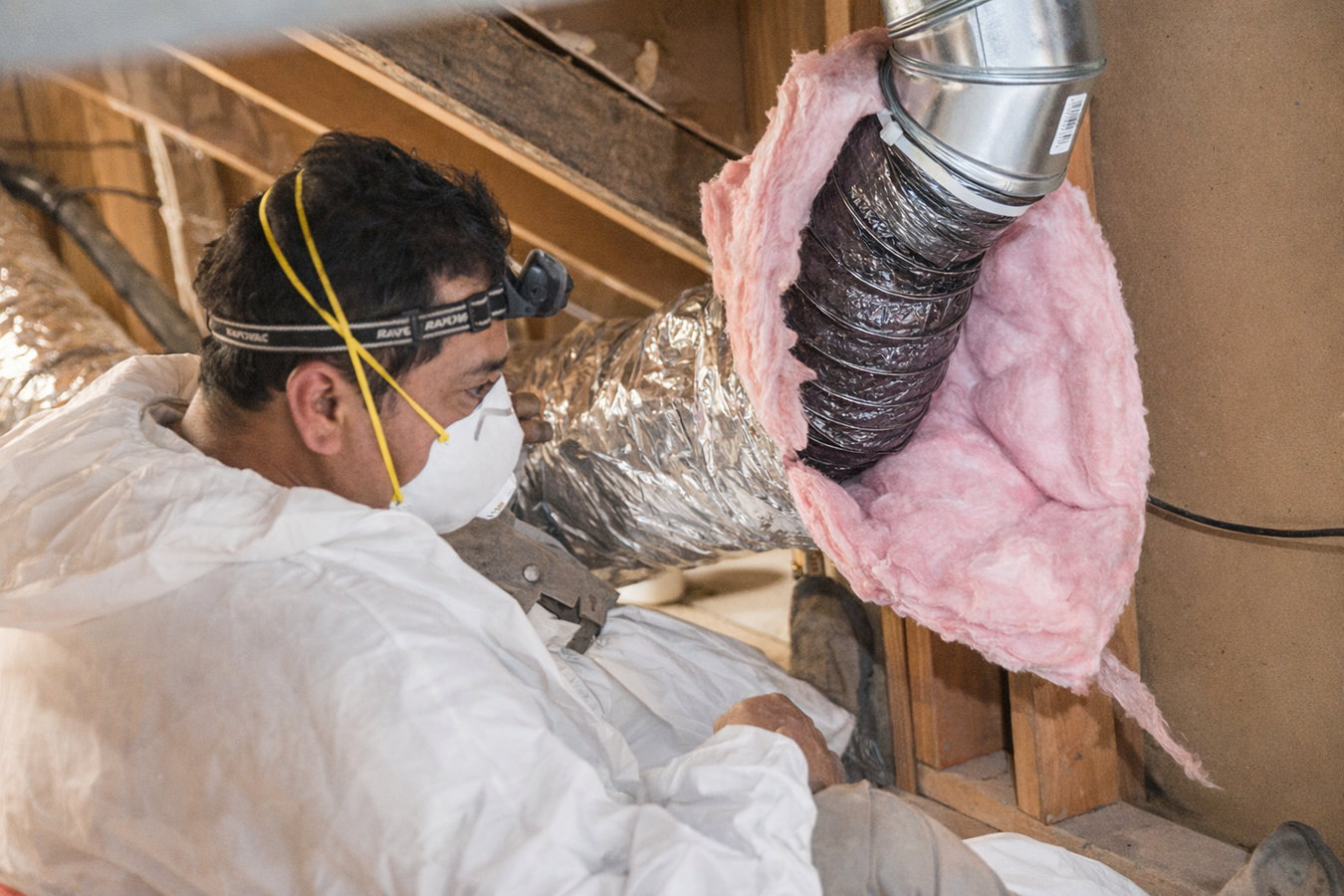
Every tiny gap in your attic floor is a pipeline for 150-degree attic air to pour into your living space. Sealing those gaps is one of the fastest ways to lower your cooling bill and make your home actually comfortable during Eagle Pass summers.
Attic air sealing in Eagle Pass means finding all the small gaps, cracks, and openings in your attic floor - around light fixtures, plumbing pipes, electrical wires, and where walls meet the ceiling - and plugging them so the air inside your living space stays where it belongs. Most jobs take two to six hours and require no work inside your living space at all.
Eagle Pass sits in one of the hottest corners of Texas, with attic temperatures that can reach 150 degrees on a summer afternoon. Every unsealed gap is a direct pipeline for that heat to pour into your cooled living space, forcing your AC to run longer to compensate. Homes built before the mid-1990s in Eagle Pass rarely had this work done at all, leaving decades of accumulated leakage that is costing homeowners money every month.
Attic air sealing works best when paired with proper insulation - once the gaps are sealed, retrofit insulation added on top locks in the full thermal benefit and makes the combined upgrade far more effective than either step alone.
If your AC runs for long stretches but certain rooms still feel warm or stuffy - especially rooms directly below the attic - hot attic air is finding its way in. In Eagle Pass summers, a home with significant attic air leaks will struggle to stay comfortable no matter how powerful the AC unit is.
Eagle Pass electricity bills in July and August can be startling, but if yours seem unusually high compared to neighbors with similar-sized homes, air leakage is often part of the reason. When your AC has to replace cooled air that escapes through attic gaps, it runs longer and costs more.
Stand on a chair and hold your hand near a recessed light fixture or ceiling fan housing on a hot afternoon. If you feel warmth radiating from around the fixture, that is hot attic air coming through an unsealed gap. This is especially common in Eagle Pass homes built before the 1990s.
When air is pulled through gaps in the attic floor, it carries attic dust and insulation particles with it. If your ceiling surfaces and ceiling fans get dusty very quickly - faster than seems normal - that is often a sign of air moving through places it should not be.
Every attic air sealing job starts with an honest assessment of what is there. A technician goes into your attic with a flashlight - and sometimes a blower door test, a large fan that pressurizes your home to reveal exactly where air is escaping - to find every leak before any material is applied. We then use foam, caulk, or rigid board depending on the size and type of each gap. No two attics in Eagle Pass are identical, and we do not treat them as if they were.
Many homeowners also add whole-home air sealing services that address wall cavities, crawl space penetrations, and basement areas in the same visit. Tackling the attic and the rest of the home together delivers the most complete air barrier and the largest reduction in cooling load. We write up each option separately so you can choose what fits your budget.
Best for homes with multiple gaps around plumbing, electrical, light fixtures, and wall tops - the complete treatment that addresses every penetration.
Best for newer homes or those that have had partial work done - focused on the specific areas where air leakage tests show the most movement.
Best when combined with new blown-in or spray foam insulation - sealing is always done first so the new insulation performs at its rated value.
Eagle Pass regularly sees high temperatures above 100 degrees from June through August, with heat that pushes into September. A significant portion of the city's homes were built in the 1960s through 1980s - an era when attic air sealing was rarely done and energy efficiency was not a priority. Those homes have been leaking conditioned air through unchanged gaps for decades. The combination of extreme heat and older housing stock means the payoff from sealing is faster here than in most of the state. Homeowners in Del Rio and other communities we serve in the region deal with the same issues.
Eagle Pass also sits directly on the Rio Grande, and the river corridor brings elevated humidity that is unusual for West Texas. When warm, humid outdoor air seeps into a cooled living space through attic gaps, it can condense on cooler surfaces and create conditions where mold and wood rot develop over time. Sealing those gaps protects more than your electric bill - it protects the parts of your home you cannot see. We regularly serve homeowners in Carrizo Springs and across Maverick and Dimmit counties who face the same heat and humidity conditions. Late winter and early spring - before the heat arrives - is the best time to schedule, both for contractor availability and for enjoying a comfortable summer from day one.
We respond within 1 business day. When you call, we ask the age of your home and what problems you have been noticing - this helps us arrive prepared with the right materials and a realistic time estimate.
A contractor goes into your attic to assess what they are working with - how many gaps exist, where they are, and whether any moisture or insulation issues need to be addressed first. Some jobs include a blower door test to identify exactly where air is escaping.
After the assessment you receive a written estimate breaking down the sealing work and any insulation we recommend alongside it. Ask about AEP Texas rebate programs before you sign - a qualifying project may reduce your out-of-pocket cost.
The crew works entirely in the attic, applying foam and other materials to every gap identified. Most standard homes finish in two to six hours. Before leaving we walk you through what was done and clean up the access area.
Free assessment, written estimate, no obligation to proceed. We respond within 1 business day.
(830) 971-8829Eagle Pass Insulation gives you a detailed written estimate before any job begins. You know the full scope and cost from the first assessment to the final walkthrough.
We are not a San Antonio crew driving through. We live in Maverick County and know exactly how the combination of extreme heat and Rio Grande humidity affects homes in this area.
You receive a detailed written estimate after the assessment. The final cost matches that estimate unless you request additional work. No pressure and no rushed decisions.
Our on-site attic assessments are always free. You are under no obligation to proceed after the inspection - we want you to make the right decision for your home and your budget.
The best contractors in this area do not just apply foam and walk away - they show you measurable proof that the work reduced your air leakage. That commitment to accountability is what separates a genuine upgrade from work that looks complete but underdelivers. You can learn more about what quality attic air sealing looks like from the U.S. Department of Energy and the Building Performance Institute, both of which publish guidance on what a thorough job should include.
Add blown-in or spray foam insulation on top of a freshly sealed attic floor for the full thermal and air-barrier upgrade.
Learn MoreWhole-home air sealing that addresses gaps in walls, crawl spaces, and basement areas beyond the attic floor.
Learn MoreEagle Pass springs fill fast - schedule your free attic assessment now and be ready before the heat hits.