Crawl space vapor barrier
Moisture control for commercial crawl spaces and below-grade areas, protecting insulation and framing from humidity damage.
Learn More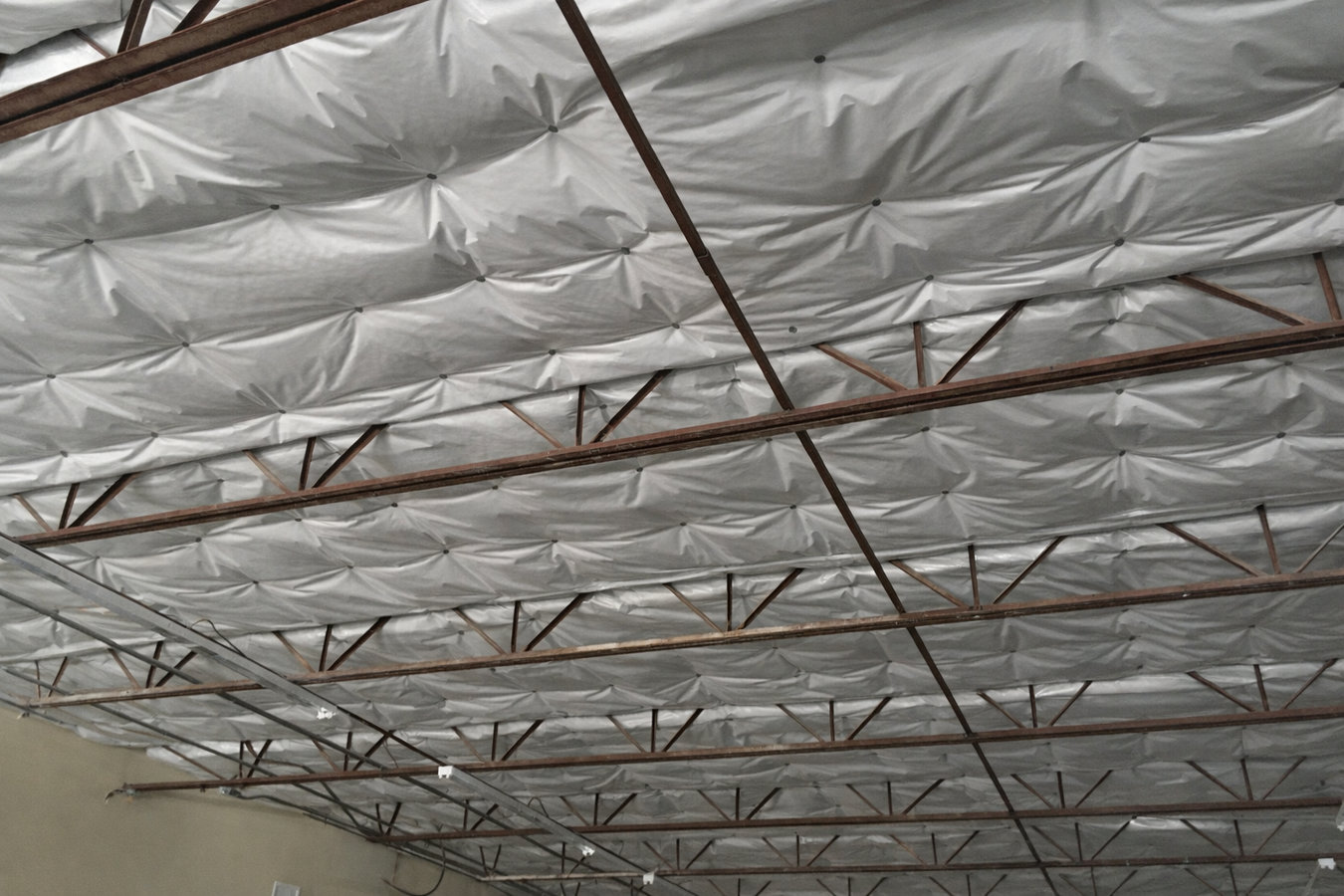
Eagle Pass summers push commercial HVAC systems to the limit. If your energy bills keep climbing and parts of your building never reach a comfortable temperature, poor insulation is usually the cause - and it is a fixable problem.
Commercial insulation in Eagle Pass slows the movement of heat through your building's walls, roof, and floors so your HVAC system does not have to work as hard. A straightforward single-story commercial job typically takes one to three days, while larger buildings or those requiring old material removal may take up to a week. The U.S. Department of Energy estimates that properly insulating and air-sealing a commercial building can reduce heating and cooling costs by 10 to 20 percent or more.
In a city where the cooling season stretches from April through October and temperatures regularly exceed 100 degrees, a well-insulated building is not a luxury - it is a direct line to lower utility bills and a more comfortable space for employees and customers. Eagle Pass also has significant warehouse, logistics, and light industrial activity tied to the international trade corridor, and those building types have unique insulation challenges that standard residential approaches do not address.
If your building has crawl spaces or below-grade areas that also need attention, our crawl space vapor barrier service is often a natural companion to a commercial insulation project, protecting insulation and framing from the moisture that comes with Eagle Pass's summer humidity.
If your electricity costs climb sharply in April or May and stay high through October, your building is working harder than it should to stay cool. In Eagle Pass, where summer temperatures stay above 95 degrees for weeks at a time, a poorly insulated building puts enormous strain on your HVAC system - and that strain shows up on your utility bill every month.
Walk through your space on a hot afternoon and pay attention to where it feels uncomfortable. Hot spots near the ceiling, along exterior walls, or in rooms facing west are a strong sign that insulation is missing, thin, or deteriorated. In older Eagle Pass commercial buildings with masonry or metal construction, this kind of uneven temperature is common and fixable.
Any place where outside air can get in is a place where your cooled air is getting out. Look around where pipes, conduits, or ductwork pass through walls or ceilings - if you can see gaps or feel air movement, those spots are costing you money every day. This is especially common in older buildings that have had mechanical systems updated without sealing the new penetrations.
When an air conditioning system runs all day without ever reaching the set temperature, the building envelope is usually the culprit - not the equipment itself. In Eagle Pass, a well-insulated building should maintain a comfortable temperature even on the hottest days without the system running nonstop. If yours cannot, insulation is one of the first things worth checking before you invest in new equipment.
Commercial buildings in Eagle Pass require different approaches depending on their construction type. For roof decks and attic spaces - where heat gain is greatest - we typically recommend spray foam because it seals air gaps and insulates in a single pass. For older masonry walls common throughout the city, rigid board insulation is often the right fit, cut to size and installed against the wall to add a thermal break without major structural changes.
We also work on spray foam insulation for warehouses and industrial spaces in the Eagle Pass trade corridor, where ceiling height and loading dock exposure add complexity that standard approaches do not account for. The North American Insulation Manufacturers Association provides installation standards we follow to ensure the work holds up to Texas energy code requirements and delivers real, measurable performance.
Best for commercial roof decks and attic spaces where sealing air gaps and adding thermal resistance need to happen in a single pass.
Best for older masonry and concrete block buildings in Eagle Pass where wall assemblies require a thermal break without removing exterior finishes.
Best for large attic spaces with irregular framing or obstacles where a spray nozzle or board installation is not practical.
Best for high-bay buildings tied to the Eagle Pass trade corridor, where ceiling height, metal construction, and dock exposure require a custom assessment.
Eagle Pass sits in one of the hottest corners of Texas, where the cooling season stretches from April through October and temperatures regularly exceed 100 degrees. Commercial buildings here carry one of the heaviest air conditioning loads in the state for the better part of eight months. A significant portion of the city's commercial building stock is built with concrete block, brick, or metal construction that was standard decades ago - materials that conduct heat rapidly and hold it, releasing it slowly into the building through the night. Businesses in areas like Eagle Pass with older buildings often see the most dramatic reductions in cooling costs after a properly sized insulation upgrade.
Eagle Pass is also one of the busiest commercial ports of entry on the U.S.-Mexico border, with significant warehouse, logistics, and light industrial activity that creates demand for insulation services that go well beyond standard office or retail work. Businesses in the broader trade corridor - including those in Laredo - face similar challenges with large-format buildings, and we bring the same assessment approach to every job regardless of building type or size.
We respond within 1 business day. When you contact us, we ask a few basic questions about your building type, size, and what is prompting the call - so we can come prepared rather than showing up cold.
A contractor walks through your building and looks at attic spaces, walls, roof deck, or mechanical areas. In Eagle Pass, we pay close attention to moisture exposure and how the building handles the summer heat load - not just taking measurements.
After the assessment, you receive a written estimate that explains what work is recommended, what materials will be used, and the total cost. If a permit is required, we note it in the estimate and handle all the paperwork.
The crew arrives and works through the designated areas - typically starting with roof decks and attic spaces, then walls and other areas. Before leaving, we walk you through the completed work and confirm that everything meets the agreed scope.
Free on-site estimate. Written quote before any work starts. No obligation to proceed.
(830) 971-8829When a commercial insulation project requires a permit, we pull it through the City of Eagle Pass Building Department and coordinate the inspection - so the work is on record and you are not left managing the process yourself.
We understand the specific challenges of Eagle Pass commercial buildings - older masonry construction, the heat load from the Chihuahuan Desert climate, and the moisture patterns along the Rio Grande corridor. We are not a contractor learning your market on your dime.
You receive a detailed written estimate that breaks down the scope clearly, so you can compare it fairly against other quotes. The final cost matches the estimate unless you request additional work. No surprise invoices.
One of the biggest concerns business owners have is being told they need far more work than they actually do. Our on-site evaluation tells you exactly what is needed, what is optional, and what can wait - so you can make a confident decision without pressure.
Commercial insulation in Texas comes with permit requirements and code obligations that protect your business long-term. We handle every step - from the initial assessment to permit coordination to final walkthrough - so you can focus on running your business while we take care of the building.
Moisture control for commercial crawl spaces and below-grade areas, protecting insulation and framing from humidity damage.
Learn MoreOpen-cell and closed-cell spray foam for commercial roof decks, attic spaces, and wall cavities where air sealing and insulation work together.
Learn MoreEagle Pass summers don't wait. Call today or submit a request online and we will respond within 1 business day to schedule your on-site assessment.